All content on this website is provided for educational and research purposes only. It does not constitute medical advice or treatment. This article discusses biological mechanisms also observed in laboratory and preclinical research models, so no clinical efficacy or safety for human use is implied. The substances discussed, which are not registered medicines, are not intended for use in humans or animals.
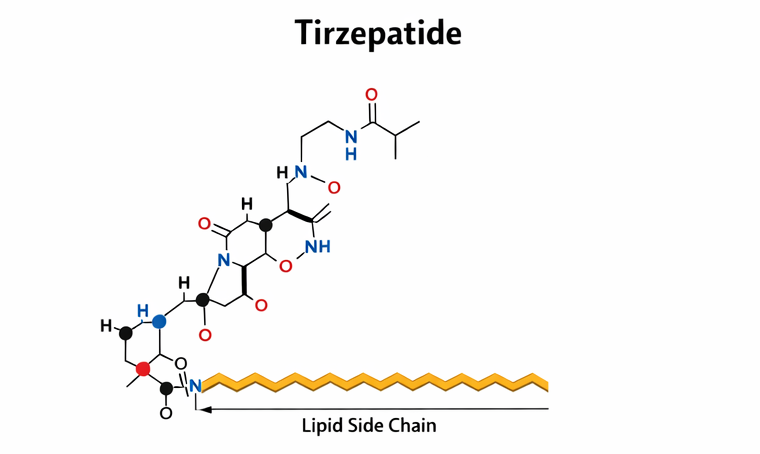
Tirzepatide is a peptide-based compound that has been investigated and approved as a prescription medication for type 2 diabetes and weight management in clinical settings. It works by targeting two important hormonal pathways involved in glucose control and appetite regulation, which can lead to significant improvements in blood sugar levels and body weight. This article discusses its mechanism of action and research background in an educational context.
Tirzepatide is developed by Eli Lilly and Company and is marketed under the brand names Mounjaro and Zepbound.
How tirzepatide works
Tirzepatide belongs to a newer class of medicines sometimes called dual incretin receptor agonists. It activates both the GLP-1 receptor and the GIP receptor, two hormone pathways involved in regulating metabolism, insulin secretion, and appetite. Its main effects include:
Improving blood glucose control by stimulating insulin release when blood sugar levels are elevated
Reducing glucagon secretion, helping limit excess glucose production in the liver
Slowing gastric emptying, which can improve post-meal glucose levels
Reducing appetite and increasing satiety, which often leads to significant weight loss
Because it targets two incretin pathways at once, tirzepatide has shown particularly strong effects on glycemic control and body weight in clinical studies.
Today, tirzepatide is used for the treatment of type 2 diabetes and is also approved in some countries for long-term weight management in people with obesity or overweight with related health conditions.
Clinical trials and evidence
Tirzepatide has been studied in a large series of clinical trials known as the SURPASS program, which evaluated its effects in people with type 2 diabetes.
Across these studies, tirzepatide demonstrated:
substantial reductions in HbA1c, often greater than those seen with several existing diabetes medications
significant weight loss among participants
improvements in overall metabolic control when combined with diet and lifestyle interventions
Additional research programs, including the SURMOUNT trials, investigated tirzepatide specifically for weight management. These studies reported substantial average weight reductions in participants with obesity or overweight.
Because of these results, tirzepatide is considered one of the most effective modern therapies for improving metabolic health in people with type 2 diabetes and obesity.
Possible side effects of Tirzepatide:
As with other medications affecting incretin pathways, tirzepatide may cause side effects in some individuals. The most common are gastrointestinal symptoms, particularly during the early stages of treatment. Commonly reported side effects include:
nausea
diarrhea
constipation
vomiting
abdominal discomfort
These symptoms are usually temporary and tend to improve over time, especially when treatment begins with a lower dose that is gradually increased.
Because tirzepatide is a prescription medication, treatment should always be initiated and monitored by a qualified healthcare professional, who can determine the appropriate dosage and assess whether the therapy is suitable for a particular patient.
The purpose of this website is to provide clear, evidence-based information about biologically active compounds often discussed in research, metabolic health, and biohacking communities. The information presented here is educational and should not be considered medical advice.